
Biosensing
Environmental & Medical Biosensors
Whole-cell biosensors use a biological response to investigate contaminants that are available to living cells. Huang Lab research connects these measurements with environmental assessment, including the magnetic nanoparticle-functionalized biosensor array described in the representative study below.
Research question
How can biological sensing help assess contaminant bioavailability and ecotoxicity at polluted urban sites, alongside conventional chemical measurements?
Approach and findings
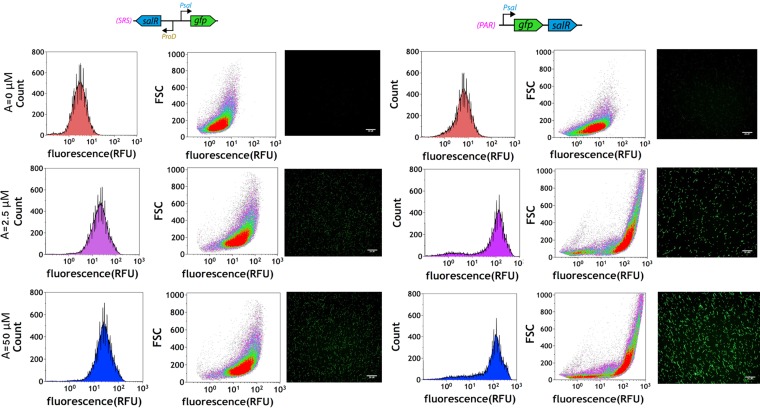
The 2023 study investigates an array of whole-cell biosensors functionalized with magnetic nanoparticles. Its measurements address different contaminants and contaminated soils, demonstrating a route towards environmental monitoring and toxicity assessment.
Interpretation and next steps
The reported findings concern the biosensor array and samples evaluated in that study. Broader field use requires validation of application protocols and comparisons with chemical analyses. The publication provides the experimental conditions and evaluation needed to interpret the results.
Representative publication
2023 · Science of the Total Environment
Application of magnetic-nanoparticle functionalized whole-cell biosensor array for bioavailability and ecotoxicity estimation at urban contaminated sites.Magnetic nanoparticle-functionalized biosensor arrays assess contaminant bioavailability and ecotoxicity in environmental samples.